Industrial Spark Detection and Fire Prevention Systems
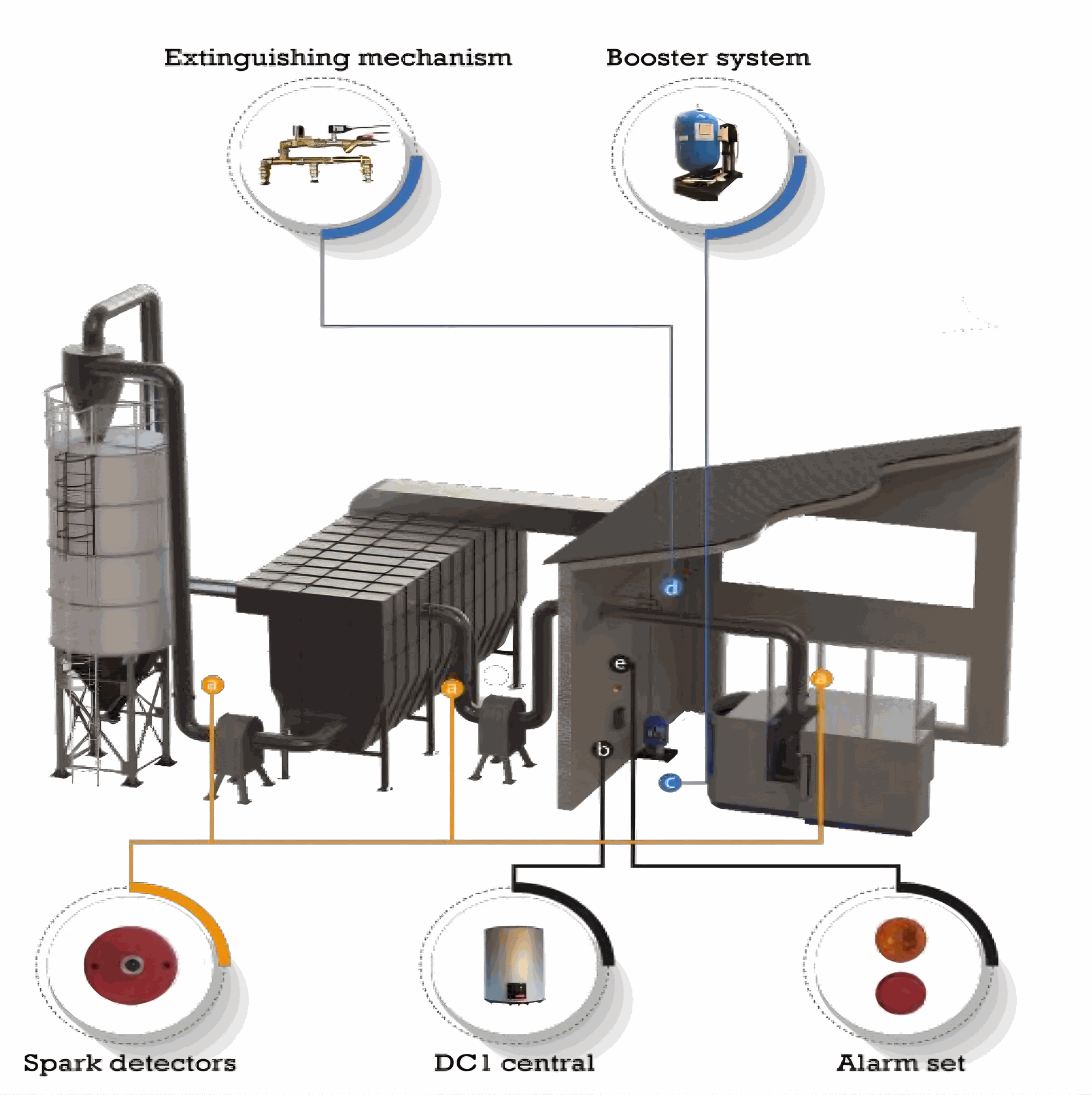
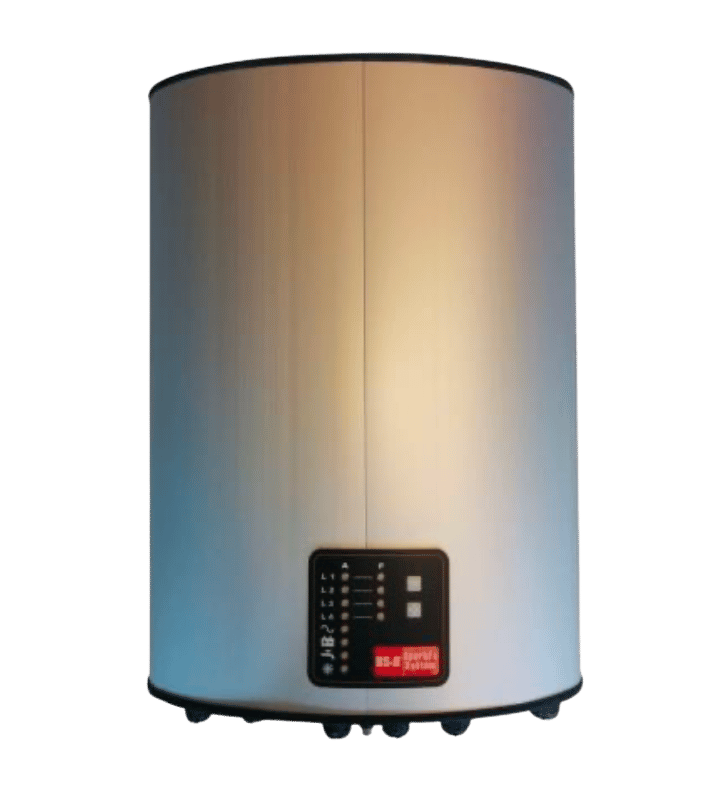
Spark detection and extinguishing systems are designed for the early detection of sparks, glowing particles, and hot dust within air ducts and conveying systems in industrial facilities.
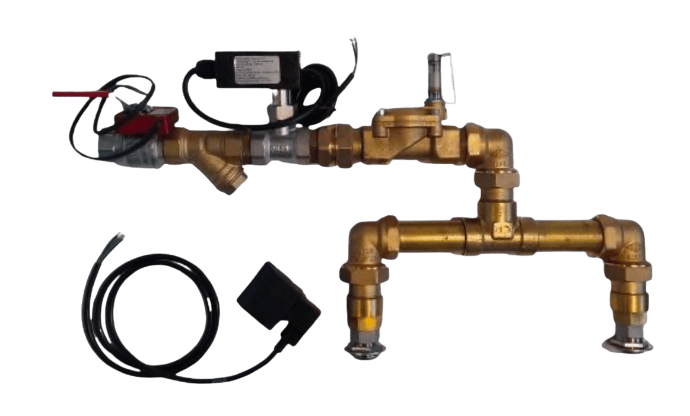
During material conveying or drying processes, hot particles can be carried by airflow through ducts and reach filters, silos, or other process equipment. The system automatically detects ignition sources and activates an extinguishing mechanism, preventing the spread of fire or dust explosions.
The system features a modular architecture, allowing easy adaptation to various industrial processes and integration into centralized monitoring systems. Built-in self-diagnostics ensure reliable operation and continuous system status control.
Operating principle
The system operates on the principle of early spark detection within the airflow, followed by immediate extinguishing.
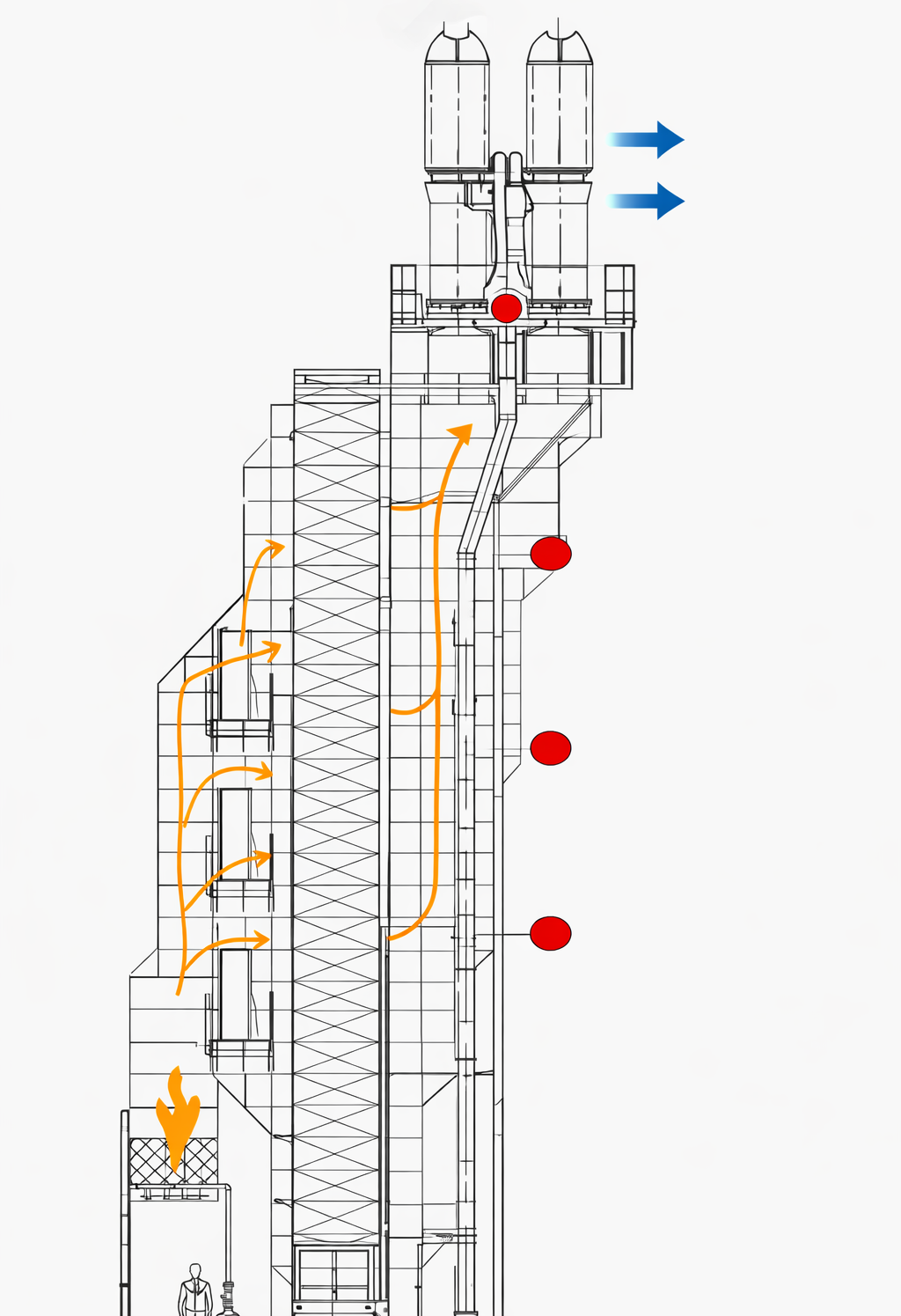
In grain dryers, the first signs of ignition typically appear in fine dust particles. These particles heat up faster and can ignite first when combustion begins within the grain mass.
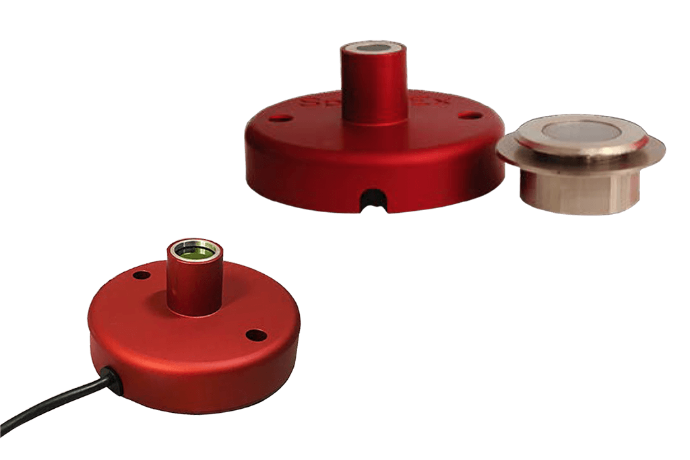
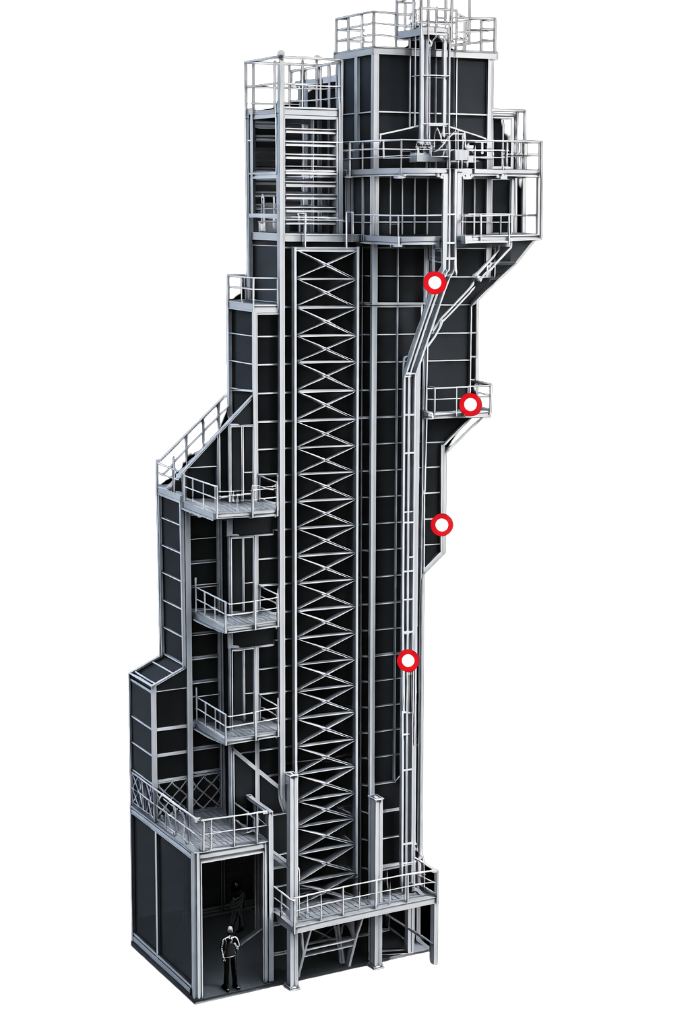
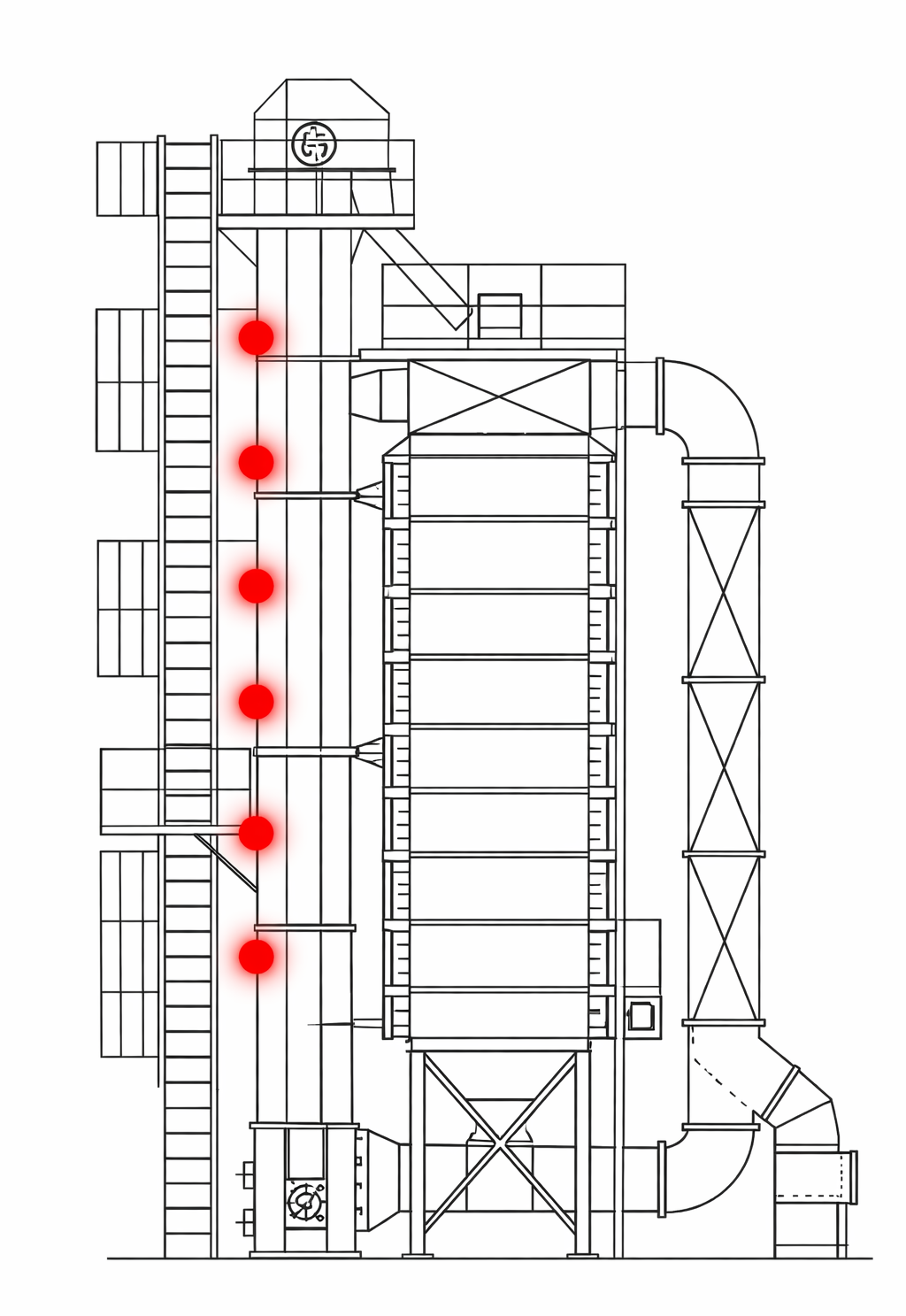
Airflow rapidly carries these hot particles toward the cold air side of the dryer. Therefore, spark detectors are installed in air ducts within this zone, where hot particles can be detected at an early stage.
Depending on the dryer design, sensors can be installed at different positions to ensure full airflow coverage:
On the rear side of the duct
On top of the air channel
On the sides of the duct
This configuration enables effective detection of sparks and hot particles before they reach critical process equipment.
Key Features of the SparkEx System
The SparkEx system is designed to ensure reliable protection of industrial processes and offers several key advantages:
Early detection of sparks and hot particles
Automatic extinguishing of ignition sources
Modular system design
Integration with centralized monitoring systems
Self-diagnostics and system status control
Low installation costs and easy system expansion via CAN-Bus