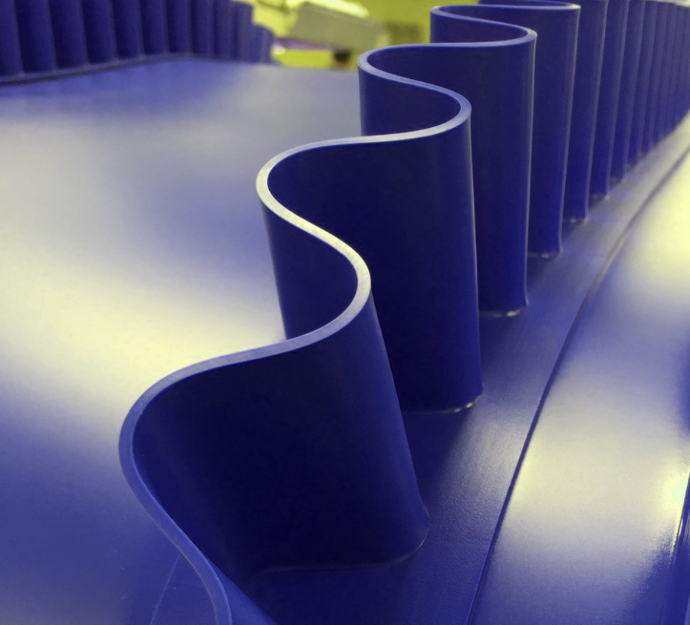
Polymer Belt Welding
A reliable belt configuration ensures stable conveyor operation
Polymer belts with sidewalls, cleats, and guide profiles are used to transport materials without spillage or displacement.
The quality of welding directly affects joint strength, belt stability, and overall equipment lifetime.
START-UP Conveyor Service performs polymer belt welding with full control of geometry, joint strength, and compliance with operating conditions.
Belt Function and Operating Conditions
Belt
Function
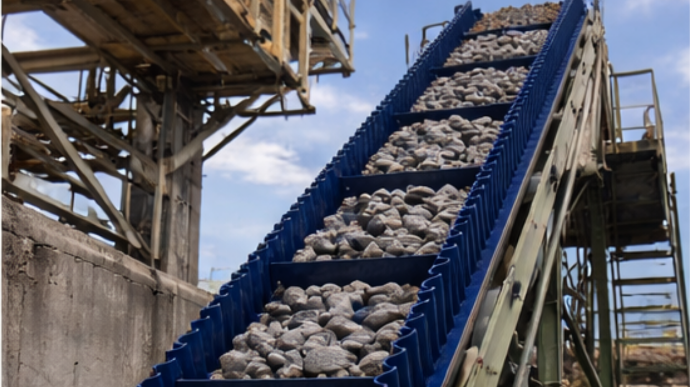
Application
Areas

Operating Conditions
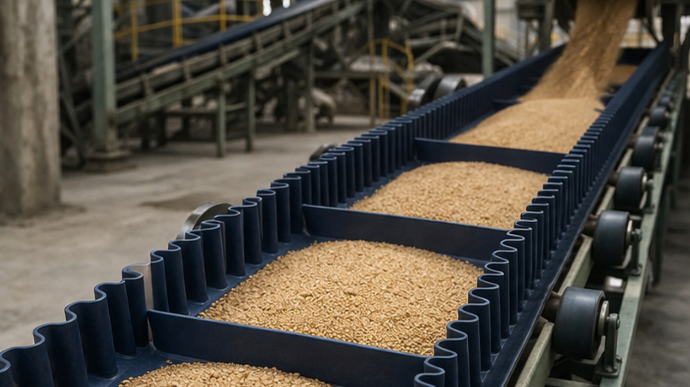
Design
Capabilities
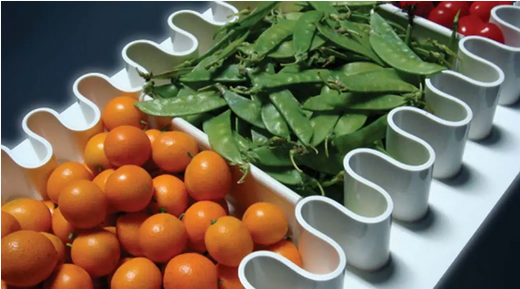
Polymer Belt Welding Technology
The welding process for polymer belts (PU, PVC) follows the general принцип of welding, adapted to the specific properties of polymers.
This ensures:
Strong and durable joints
Even load distribution
Stable belt operation during service
Our equipment allows installation of elements at any position along the belt while maintaining precise spacing.

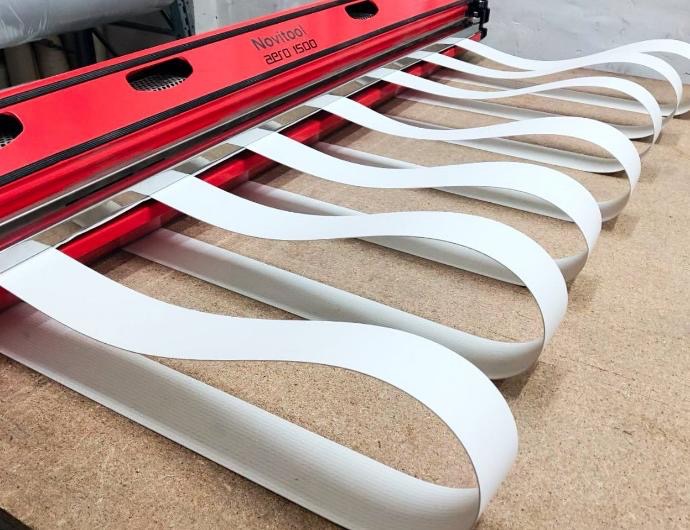
Polymer Belt Splicing
A reliable splice ensures uninterrupted conveyor operation
Conveyor belts operate continuously, and the splice area is the most highly loaded section.
Damage or improper joining of the belt can lead to unplanned downtime and production stoppages.
START-UP Conveyor Service performs polymer belt splicing with full control of joint strength, geometry, and compliance with operating conditions.
Splicing Methods and Applications
Splicing
Methods
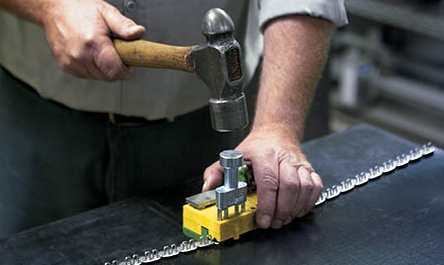
Application
Areas

Operating Conditions
Execution
Location
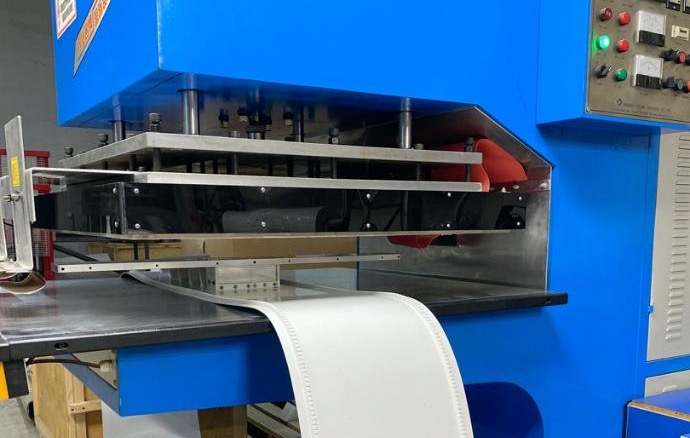
Splice strength up to 90% of the belt’s tensile strength
Uniform thickness with no gap
High flexibility of the splice
Monolithic belt structure
Suitable for operation under dust, moisture, and temperature variations
Fast restoration of equipment operation after splicing
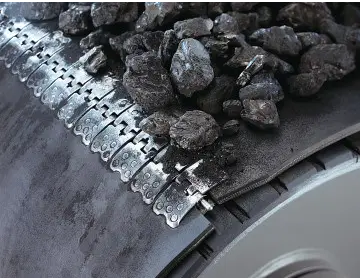
Quick installation without belt removal
Resistance to impact loads
Use of wear-resistant materials (galvanized steel, stainless steel, MegAlloy)
Possibility of quick replacement or repair
Flexible selection of fastening type
FAQ — Questions Clients Frequently Ask
The cost depends on the belt type, width, material (PVC, PU, etc.), selected splicing method, and working conditions. After уточнення parameters, we provide a precise commercial quotation.
The choice depends on operating conditions, load, and required service life. Vulcanization provides maximum strength and durability, while mechanical fastening allows for fast installation and repair.
Yes, both methods allow splicing to be carried out directly on the conveyor without belt removal.
The duration depends on the belt type and method. In most cases, work is completed within one working day.
Yes, splice quality directly affects belt stability, load distribution, and overall equipment lifetime.
We perform splicing of polymer belts made of PVC, PU, silicone, and other materials, depending on operating conditions.

Contact Our Specialist
Aspiration & Explosion Safety
Artem Morozov
Since 2017, I have been working with solutions for agro-industrial, feed-mill, and milling facilities — from dust-generation audits to the implementation of aspiration and explosion-protection systems. At START-UP, I am responsible for equipment selection, system design, STIF technologies, and full project support.
My approach is based on ATEX, CE, and ISO compliance, engineering precision, and predictable system performance.